Source Electric Garbage Truck for Urban Sanitation, Industrial Areas, and Public Facilities
Compare 30 electric garbage truck listings from verified Chinese manufacturers. Buyers can evaluate models with varying volumes, transmission types, and customization options for urban sanitation, industrial areas, and public facilities.
Key considerations
Products List


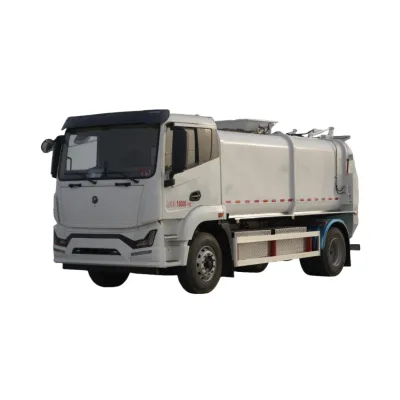
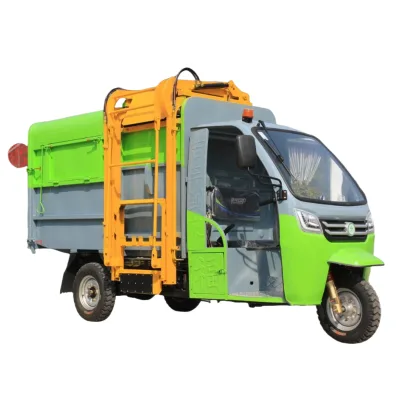
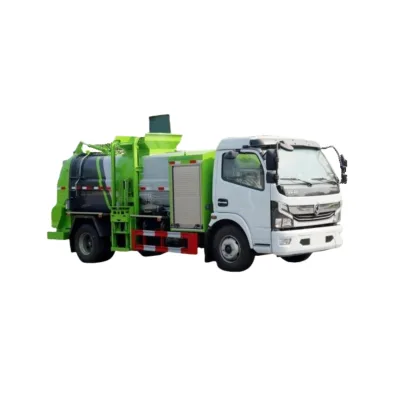
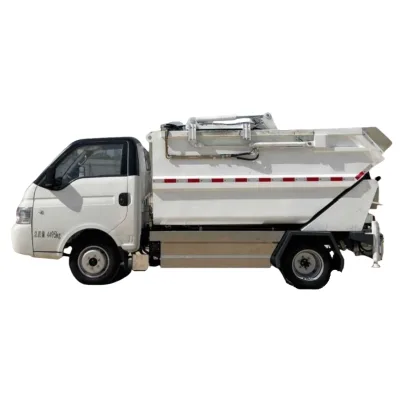


Comprehensive Sourcing Guide
Strategic Sourcing Guide for Electric Garbage Trucks
The global transition toward sustainable urban sanitation has elevated the electric garbage truck from a niche alternative to a core component of modern waste management infrastructure. For procurement officers and municipal planners, sourcing these specialized vehicles requires a rigorous approach that balances technical performance, regulatory compliance, and total cost of ownership. The market offers a diverse array of configurations, ranging from compact units for narrow residential streets to heavy-duty compactors for industrial zones. This guide provides a structured framework for evaluating suppliers and specifications based on verified product attributes and industry standards, ensuring that procurement decisions are grounded in factual data rather than marketing assertions.
Technical Specifications and Performance Metrics
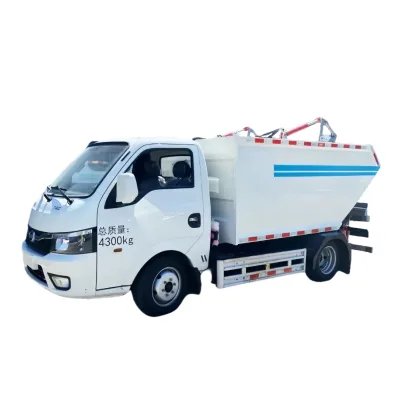
When evaluating electric garbage trucks, the primary focus must be on the specific technical parameters that align with operational requirements. The market presents a wide spectrum of vehicle sizes and capacities. Buyers should first distinguish between volume classes, as the data indicates specific ranges such as 3001-6000L and 6001-10000L. These volume metrics are critical for determining the frequency of collection runs required for a given municipality. Furthermore, the payload capacity is a decisive factor; observed data points to models with a rated mass of 2855 kg and a total mass reaching 9100 kg, while other heavy-duty variants support payloads up to 20 tons.
The propulsion system and chassis design are equally vital. The electric variants typically utilize lead-acid batteries, a technology known for its reliability in heavy-duty cycling applications. Buyers must verify the battery specifications against the expected daily mileage and the weight of the waste load. The driving type is generally classified for adult operation, implying a standard commercial license requirement. Transmission types vary, with both automatic and manual options available, influencing the ease of operation in stop-and-go urban environments.
Chassis dimensions and geometry also play a significant role in maneuverability. Specific model data highlights a wheel distance of 1040mm, which directly impacts the turning radius and the ability to navigate tight city streets. Approach and departure angles, such as 22 and 15 degrees respectively, are essential for ensuring the vehicle can handle curbs and uneven terrain without damage. The body type is predominantly closed, offering protection against weather and preventing litter scattering, with some models featuring compression mechanisms to maximize load efficiency.
Compliance, Certification, and Regulatory Standards
Navigating the regulatory landscape is a non-negotiable aspect of sourcing electric waste collection vehicles. Compliance ensures that the purchased assets can be legally operated and maintained within the target jurisdiction. The product data reveals a mix of certifications, including ISO, CCC, TSEEC, EEC, RoHS, and CE. While the presence of these marks suggests adherence to international quality and safety norms, buyers must verify the specific validity and scope of each certificate for their local market. For instance, EEC certification is often required for vehicles operating within European contexts, while CCC is pertinent for the Chinese market.
In addition to general certifications, specific emission and fuel standards are crucial. Although the core keyword is "electric," some listed models reference diesel fuel types or Euro emission standards, indicating a hybrid market or a need to distinguish between pure electric and alternative fuel models. Buyers should explicitly confirm that the vehicle meets the zero-emission requirements of their specific city or region. The standard dimensions provided, such as 370014502050mm, serve as a baseline for regulatory clearance and parking compliance, but these figures must be cross-referenced with local vehicle dimension laws.
Furthermore, the origin of the vehicle, often listed as China or specific provinces like Hubei, impacts the regulatory pathway. Import regulations may require additional testing or homologation beyond the manufacturer's stated certifications. Buyers should request the full certification dossier, including the specific test reports that validate the claims of "Efficient & Environmentally Friendly" and "Intelligent" operation mentioned in product descriptions.
Cost Drivers and Pricing Structures
The financial landscape of electric garbage truck procurement is complex, driven by a multitude of variables beyond the sticker price. The observed price range in the market spans from 600 to 250,000 USD, a disparity that reflects differences in capacity, technology, and customization levels. A unit priced at the lower end of this spectrum is likely a smaller, non-compression model with a basic battery configuration, whereas the upper end represents heavy-duty, fully automated, or highly customized compactor trucks.
Key cost drivers include the battery capacity and type, the complexity of the hydraulic compression system, and the level of intelligence integrated into the vehicle's control systems. The "Multifunctional Intelligent Garbage Removal Truck" designation suggests advanced features that command a premium. Additionally, the material composition, specifically the use of high-strength lightweight steel, adds to the manufacturing cost but offers long-term durability benefits.
Buyers must also consider the Minimum Order Quantity (MOQ), which ranges from 1 to 10 units. This flexibility allows municipalities to start with small pilot fleets or scale up to larger deployments. However, the unit price often decreases with higher volumes, so the total cost of ownership calculation should factor in the potential for bulk discounts. Packaging requirements, such as shipping containers or sea-worthy crates, also contribute to the final landed cost and should be included in the budget.
Typical Applications and Operational Fit
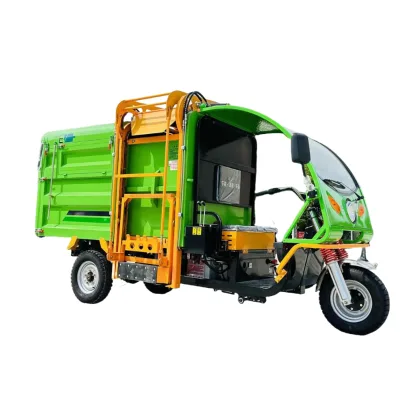
Selecting the right electric garbage truck requires a clear understanding of the intended application environment. The product data highlights several key use cases: urban sanitation, industrial areas, and public facilities. For dense urban centers, the compact models with smaller volumes (3001-6000L) and tighter turning radii are ideal. These vehicles are designed to navigate narrow streets and frequent stops, where the "Intelligent" features can optimize route efficiency and reduce driver fatigue.
In contrast, industrial areas and large public facilities often require the high-volume, high-payload models. The 6001-10000L range and 20-ton payload capacity are suited for handling large quantities of waste generated by factories or large-scale events. The "Compression Type" and "Swing Arm Type" mechanisms are particularly effective in these settings, as they maximize the amount of waste collected per trip, reducing the number of trips required to service a site.
The "Sealed" usage attribute is critical for applications where odor control and spill prevention are paramount, such as in residential neighborhoods or near food processing plants. The "Closed" body type further ensures that waste is contained, protecting the public and the environment. Buyers should match the specific arm type (Swing Arm, Arm Type, or Compression Type) to the waste collection method used by their sanitation department to ensure seamless integration into existing workflows.
Supplier Evaluation and Verification
Evaluating suppliers for electric garbage trucks requires a due diligence process that goes beyond the product listing. The data indicates that products originate from specific regions, such as Hubei, China, and are associated with brands like JAC. While brand recognition can be a positive indicator, it should not be the sole criterion for selection. Buyers must verify the supplier's manufacturing capabilities, specifically their ability to produce the "Customizable" features listed, such as color options (White, Blue, Green) and volume specifications (4m³, 5m³, 6m³, 8m³).
The "Condition" of the product is listed as "New," which is standard, but buyers should confirm the warranty terms and the availability of after-sales support. Given the complexity of electric vehicles, the supplier must have a robust network for battery maintenance and hydraulic system repairs. The "Shipping Container" and "Carton or Wooden Box" packing methods suggest that the supplier has experience in international logistics, but buyers should verify the lead times and the reliability of the shipping partners.
It is also essential to assess the supplier's track record in delivering "Intelligent" and "Environmentally Friendly" solutions. This involves requesting case studies or references from other clients who have deployed similar fleets. The supplier should be able to demonstrate how their vehicles perform in real-world scenarios, providing data on battery life, compression efficiency, and overall operational reliability.
Quality Control and Long-Term Procurement Considerations
Ensuring the quality of electric garbage trucks is paramount to the success of any sanitation fleet. The use of "High-Strength Lightweight Steel" is a positive indicator of durability, but buyers should insist on third-party quality assurance reports that validate the material strength and corrosion resistance. The "Automatic" and "Manual" transmission options should be tested for smooth operation under full load conditions.
Long-term procurement considerations extend beyond the initial purchase price. The "Lead-Acid Battery" technology, while reliable, has a finite lifespan and requires periodic replacement. Buyers should calculate the total cost of ownership, including battery replacement cycles, energy consumption, and maintenance costs. The "Customizable" nature of the models allows for future-proofing, but the supplier must guarantee that spare parts and software updates will be available for the life of the vehicle.
Furthermore, the "Intelligent" features should be evaluated for their ability to integrate with existing fleet management systems. Data connectivity and remote diagnostics can significantly reduce downtime and improve operational efficiency. Buyers should verify the security protocols for these intelligent systems to prevent unauthorized access to vehicle data.
Final Procurement Strategy
In conclusion, sourcing electric garbage trucks is a multifaceted process that demands a deep understanding of technical specifications, regulatory requirements, and operational needs. By focusing on verified attributes such as volume capacity, payload, and certification status, buyers can make informed decisions that align with their sustainability goals. The wide range of options, from compact urban units to heavy-duty industrial compactors, offers flexibility for diverse applications. However, the success of the procurement lies in rigorous supplier evaluation, thorough quality control, and a clear understanding of the long-term costs associated with electric fleet management. Buyers should prioritize suppliers who can demonstrate a proven track record of delivering reliable, compliant, and efficient waste collection solutions.
FAQs
What volume capacities are available for these trucks?
Available volume capacities include ranges of 3001-6000L and 6001-10000L. Some models also offer customizable specifications such as 4m³, 5m³, 6m³, or 8m³ to suit specific operational needs.
Which certifications do the electric garbage trucks hold?
The trucks hold certifications including ISO, CCC, TSEEC, EEC, RoHS, and CE. Buyers should verify the specific validity of these marks for their local regulatory requirements before procurement.
Can the trucks be customized for specific color options?
Yes, customization is available for color options including white, blue, and green. Additional customizations may also apply to volume specifications and body types to match client preferences.
What is the minimum order quantity for these vehicles?
The minimum order quantity ranges from 1 to 10 units depending on the supplier and model. This flexibility allows buyers to start with small pilot fleets or scale up for larger deployments.
How is the battery type configured for these electric trucks?
The trucks typically utilize lead-acid batteries for reliable heavy-duty cycling applications. Buyers must verify specific battery specifications against expected daily mileage and waste load weights.
What is the origin location of these garbage trucks?
The products originate from China, with specific mentions of Hubei province. Import regulations may require additional testing or homologation beyond the manufacturer's stated certifications for international buyers.